Transplant Shock After Propagation: Prevent It
 Reviewed by
 You potted a rooted cutting and now it's drooping. Don't panic — that's transplant shock, it's very common, and it's usually temporary. Here's how to keep it to a minimum.
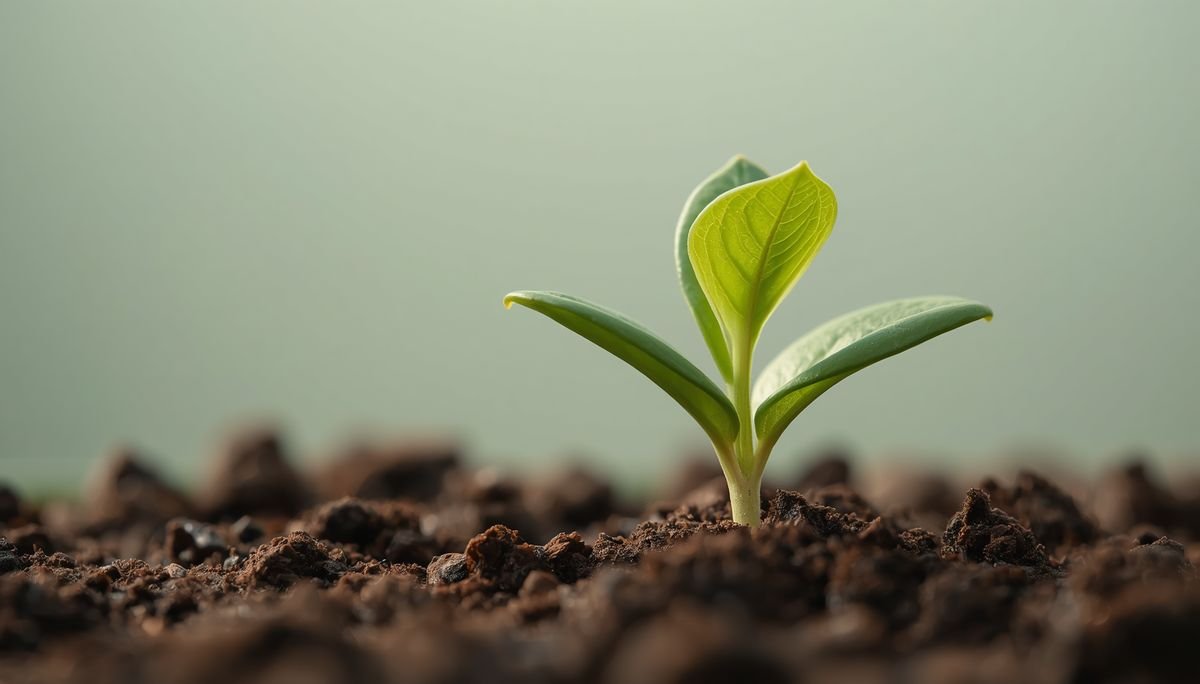
You potted up a beautifully rooted cutting and within a day or two it's drooping and looking sorry for itself. Don't panic — this is transplant shock, it's extremely common, and it's usually temporary. Here's what's happening and how to keep it to a minimum.
What transplant shock is
Transplant shock is the stress a plant feels when its roots are disturbed or when their environment suddenly changes. In propagation, it most often happens when a water-rooted cutting moves to soil: the soft water roots it grew aren't built for soil, so the plant has to grow a new set of soil-adapted roots. During that changeover it can't take up water as efficiently, so the leaves droop. Divided plants and repotted cuttings feel it too, for the same reason — disturbed roots need a moment to recover.
Why a little droop is normal
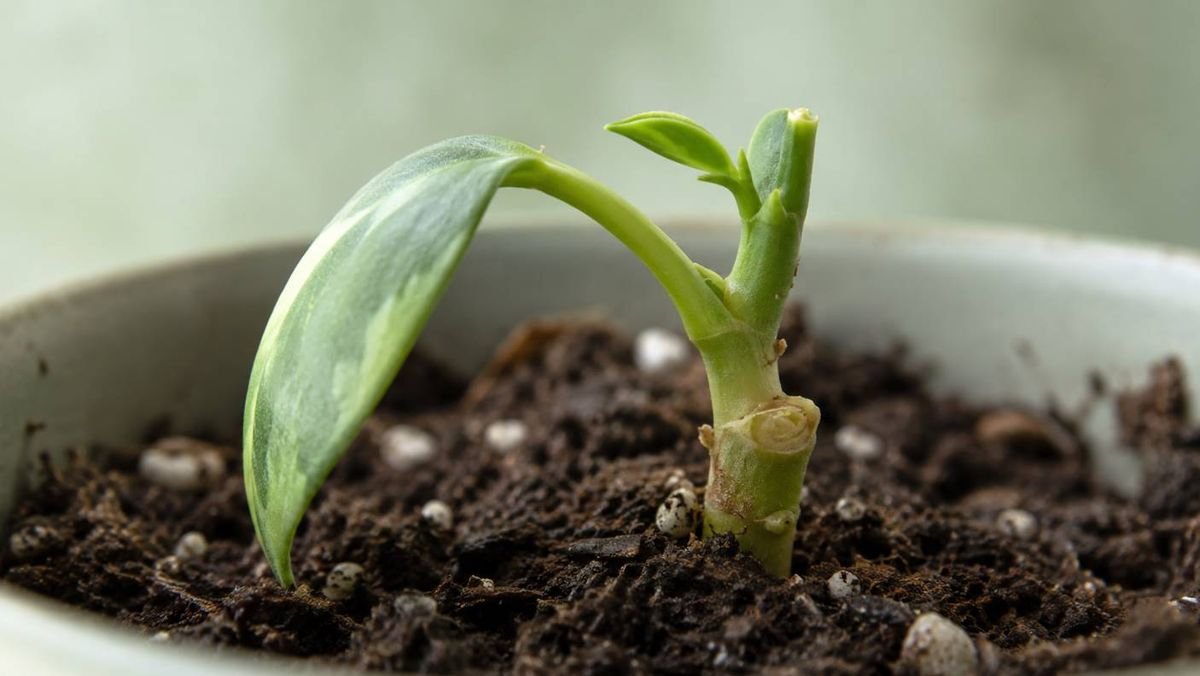
A short spell of drooping or a slightly sad-looking cutting in the first few days after potting is completely expected. The plant is simply prioritising root growth over holding its leaves up. As long as the stem stays firm and the cutting isn't rotting, it's almost certainly fine and just needs time. Resist the urge to fuss, overwater, or move it around — that often does more harm than the shock itself.
How to prevent most of it
- Pot up early. Short, young roots adapt far more easily than long established water roots — see when to move a cutting to soil.
- Keep the soil consistently moist. Water roots are used to constant water, so don't let a fresh transplant dry out for the first couple of weeks.
- Use a light mix. An airy propagation mix lets new roots establish quickly.
- Add humidity. A loose humidity cover for a few days reduces water loss while roots catch up.
- Skip direct sun and fertiliser. Both stress a settling cutting. Bright indirect light and plain mix are best at first.
Helping a shocked cutting recover
If a cutting is already drooping, keep things calm and steady. Make sure the soil is evenly moist but not waterlogged, move it to bright indirect light, and consider a light humidity tent for a few days. Then leave it alone. The worst thing you can do is react to droop by overwatering, which can rot the very roots the plant is trying to grow. Steady moisture and patience win. This applies equally to freshly divided plants, which show the same brief slump.
How long it lasts
Most cuttings shrug off transplant shock within one to two weeks, once they've grown enough soil roots to support their leaves again. The clearest sign of recovery is new growth — a fresh leaf or visible perkiness means the plant has settled in. If a cutting is still declining after a couple of weeks, or the stem goes soft, look beyond shock to rot or watering issues, using our rot guide and troubleshooting checklist.
Common questions
Is it normal for a cutting to droop after potting?
Yes, very. It's transplant shock as water roots adapt to soil. As long as the stem is firm and it isn't rotting, it usually recovers within a week or two.
How do I prevent transplant shock?
Pot up early with short roots, keep the soil consistently moist, use a light mix, add a little humidity, and avoid direct sun and fertiliser at first.
Should I water more if my cutting is drooping?
Keep the soil evenly moist, but don't overwater — soggy soil rots the new roots and makes shock worse. Steady moisture, not flooding, is the goal.
How long does transplant shock last?
Usually one to two weeks. New growth is the sign of recovery. If it keeps declining beyond that, check for rot or watering problems instead.