Few vegetables, or technically fruits, capture the joy of home gardening quite like the tomato. Juicy, flavorful, and endlessly versatile in the kitchen, homegrown tomatoes far surpass anything found in a grocery store. This comprehensive guide covers everything from choosing the right variety to harvesting a bountiful crop, giving both beginners and seasoned gardeners the knowledge needed to grow thriving tomato plants at home.
Why Grow Your Own Tomatoes
Homegrown tomatoes consistently taste better than store-bought ones because they can ripen fully on the vine before harvest. Commercial tomatoes are often picked green and ripened artificially during shipping, which sacrifices flavor and texture. Growing your own tomatoes also gives you complete control over what goes into the soil, avoiding synthetic pesticides if you choose organic methods. Tomatoes are remarkably productive for the amount of space they require, making them a favorite among small-space gardeners. A single well-cared-for plant can produce dozens of pounds of fruit over the course of a growing season.
Growing tomatoes at home also allows access to unusual and heirloom varieties rarely found in grocery stores. The activity of tending tomato plants, from watering to pruning, offers a relaxing daily connection to nature. Homegrown tomatoes can be harvested at the exact moment of peak ripeness, something impossible to achieve with store-bought fruit. Saving seeds from open-pollinated tomato varieties allows gardeners to grow the same favorite plants year after year at no extra cost. For many home cooks, nothing compares to a fresh tomato salad or sauce made entirely from vegetables grown in their own backyard.
Homegrown tomatoes consistently taste better than store-bought ones because they can ripen fully on the vine before harvest. Commercial tomatoes are often picked green and ripened artificially during shipping, which sacrifices flavor and texture.
Choosing the Right Tomato Variety
Tomatoes come in hundreds of varieties, ranging from tiny cherry tomatoes to large beefsteak types perfect for slicing. Determinate varieties grow to a compact size and produce fruit all at once, making them ideal for canning. Indeterminate varieties continue growing and producing fruit throughout the season, offering a steady harvest until frost. Cherry and grape tomatoes are excellent choices for beginners because they are prolific and resistant to many common problems. Heirloom tomatoes offer unique flavors and colors but can be more susceptible to disease than hybrid varieties. Consider your climate when selecting a variety, since some tomatoes are bred specifically for short growing seasons.
Disease-resistant hybrids are labeled with letters like VFN, indicating resistance to verticillium wilt, fusarium wilt, and nematodes. Container gardeners should look for compact or bush varieties bred specifically for pots and small spaces. Reading seed catalogs or local nursery labels helps identify which varieties perform best in your specific region. Trying a mix of two or three varieties in your first season helps you discover what grows best in your garden. Tomatoes come in hundreds of varieties, ranging from tiny cherry tomatoes to large beefsteak types perfect for slicing. Determinate varieties grow to a compact size and produce fruit all at once, making them ideal for canning.
Indeterminate varieties continue growing and producing fruit throughout the season, offering a steady harvest until frost. Cherry and grape tomatoes are excellent choices for beginners because they are prolific and resistant to many common problems. Heirloom tomatoes offer unique flavors and colors but can be more susceptible to disease than hybrid varieties.
Starting Seeds Indoors
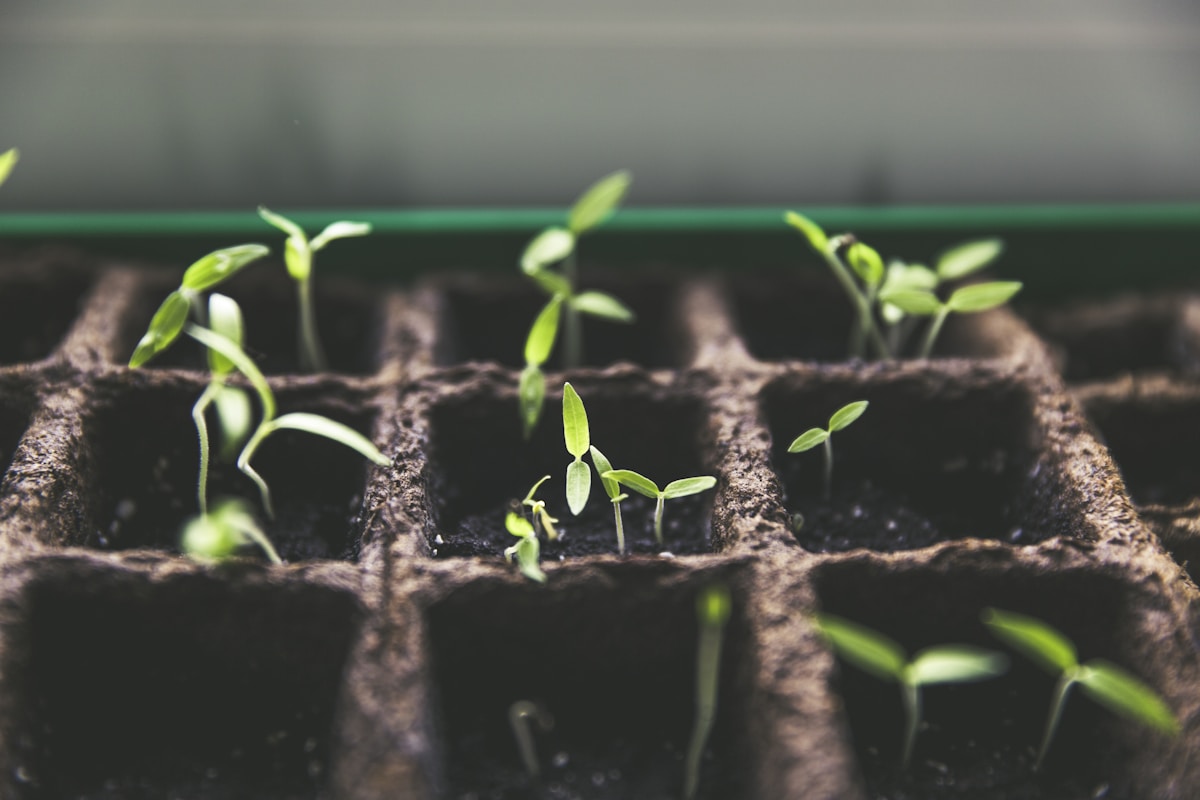
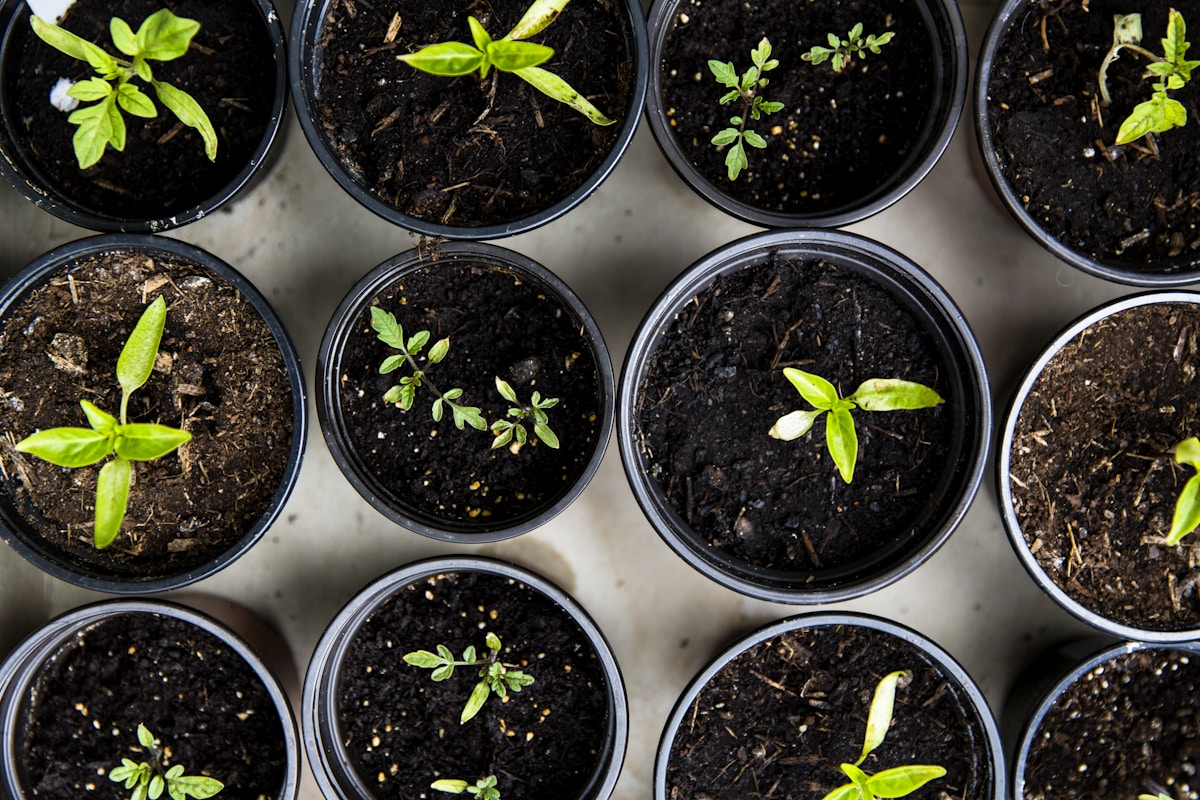
Tomato seeds should be started indoors about six to eight weeks before your area’s last expected frost date. Use a seed-starting mix rather than regular garden soil, since it drains well and reduces the risk of damping-off disease. Plant seeds about a quarter inch deep in trays or small pots, keeping the soil consistently moist but not soggy. A warm environment, ideally between seventy and eighty degrees Fahrenheit, speeds up germination significantly. Once seedlings emerge, they need bright light for at least twelve to sixteen hours a day, either from a sunny window or grow lights.
Thin seedlings so only the strongest plant remains in each cell, giving it room to develop a strong root system. Transplanting seedlings into larger pots once they develop their first true leaves encourages healthier root development. Gently brushing your hand over seedlings daily can help strengthen their stems, mimicking the effect of outdoor wind. Feeding young seedlings a diluted organic fertilizer once they have several true leaves supports steady growth. Hardening off seedlings before transplanting outdoors is essential to prevent shock from sudden exposure to sun and wind. Tomato seeds should be started indoors about six to eight weeks before your area’s last expected frost date.
Use a seed-starting mix rather than regular garden soil, since it drains well and reduces the risk of damping-off disease. Plant seeds about a quarter inch deep in trays or small pots, keeping the soil consistently moist but not soggy. A warm environment, ideally between seventy and eighty degrees Fahrenheit, speeds up germination significantly.
Transplanting and Spacing
Wait until nighttime temperatures consistently stay above fifty degrees Fahrenheit before transplanting tomatoes outdoors. Choose a planting site that receives at least six to eight hours of direct sunlight daily. Bury tomato seedlings deeper than they were in their pots, since roots will form along the buried stem for a stronger plant. Space determinate varieties about two feet apart and indeterminate varieties up to three feet apart to allow airflow. Proper spacing reduces the risk of fungal diseases that thrive in crowded, humid conditions. Adding a handful of compost or organic fertilizer to each planting hole gives young plants a nutritious start.
Water transplants thoroughly immediately after planting to help settle the soil around the roots. Installing stakes or cages at the time of transplanting avoids disturbing roots later in the season. Mulching around the base of each plant helps conserve moisture and prevents soil-borne diseases from splashing onto leaves. Protecting new transplants with a cloche or row cover can guard against unexpected late frosts. Wait until nighttime temperatures consistently stay above fifty degrees Fahrenheit before transplanting tomatoes outdoors. Choose a planting site that receives at least six to eight hours of direct sunlight daily.
Bury tomato seedlings deeper than they were in their pots, since roots will form along the buried stem for a stronger plant. Space determinate varieties about two feet apart and indeterminate varieties up to three feet apart to allow airflow. Proper spacing reduces the risk of fungal diseases that thrive in crowded, humid conditions.
Staking, Caging, and Pruning
Tomato plants, especially indeterminate types, need support to keep fruit off the ground and improve air circulation. Cages work well for smaller or determinate varieties, providing structure without requiring frequent tying. Stakes paired with soft ties are often preferred for indeterminate varieties that grow tall throughout the season. Pruning suckers, the small shoots that grow between the main stem and branches, redirects energy toward fruit production. Removing lower leaves that touch the soil helps prevent fungal spores from splashing up onto the plant. Regularly tying the main stem to its support as the plant grows prevents heavy branches from snapping.
Over-pruning can reduce yields, so it is best to remove only a portion of suckers rather than all of them. The Florida weave technique, using stakes and twine woven between plants, is a popular method for larger tomato rows. Checking your support structures weekly ensures they remain sturdy as the plant grows heavier with fruit. Well-supported plants are easier to harvest and less prone to disease from prolonged soil contact. Tomato plants, especially indeterminate types, need support to keep fruit off the ground and improve air circulation. Cages work well for smaller or determinate varieties, providing structure without requiring frequent tying.
Stakes paired with soft ties are often preferred for indeterminate varieties that grow tall throughout the season. Pruning suckers, the small shoots that grow between the main stem and branches, redirects energy toward fruit production.
Watering and Feeding Tomatoes
Consistent watering is one of the most important factors in preventing blossom end rot and cracked fruit. Tomatoes generally need about one to two inches of water per week, adjusted for rainfall and temperature. Deep, infrequent watering encourages strong root systems better than frequent shallow watering. Watering at the base of the plant rather than overhead reduces the risk of fungal leaf diseases. A balanced organic fertilizer applied at planting time supports early growth and root development. Once flowering begins, switching to a fertilizer higher in phosphorus and potassium encourages better fruit set.
Excess nitrogen late in the season can lead to lush foliage but fewer tomatoes, so feeding should be adjusted over time. Compost tea or fish emulsion are popular organic options for feeding tomatoes throughout the growing season. Mulching helps regulate soil moisture, reducing the fluctuations that often cause fruit to crack. Monitoring leaf color and growth patterns helps gardeners catch nutrient deficiencies before they affect the harvest. Consistent watering is one of the most important factors in preventing blossom end rot and cracked fruit. Tomatoes generally need about one to two inches of water per week, adjusted for rainfall and temperature.
Deep, infrequent watering encourages strong root systems better than frequent shallow watering. Watering at the base of the plant rather than overhead reduces the risk of fungal leaf diseases. A balanced organic fertilizer applied at planting time supports early growth and root development.
Common Pests and Diseases
Tomato hornworms are large green caterpillars that can strip a plant of leaves in a matter of days. Handpicking hornworms and dropping them into soapy water is an effective organic control method. Aphids cluster on new growth and can be managed with insecticidal soap or a strong spray of water. Early blight and late blight are fungal diseases that cause dark spots on leaves and can spread quickly in humid weather. Removing and destroying infected leaves promptly helps prevent the spread of fungal diseases to healthy plants. Blossom end rot, caused by calcium deficiency and inconsistent watering, appears as a dark, sunken spot on the fruit’s bottom.
Crop rotation, avoiding planting tomatoes in the same spot year after year, reduces the buildup of soil-borne diseases. Good air circulation, achieved through proper spacing and pruning, is one of the best defenses against fungal problems. Copper-based organic fungicides can help manage blight outbreaks when applied at the first sign of trouble. Inspecting plants regularly allows gardeners to catch pest and disease problems early, when they are easiest to control. Tomato hornworms are large green caterpillars that can strip a plant of leaves in a matter of days. Handpicking hornworms and dropping them into soapy water is an effective organic control method.
Aphids cluster on new growth and can be managed with insecticidal soap or a strong spray of water. Early blight and late blight are fungal diseases that cause dark spots on leaves and can spread quickly in humid weather.
Harvesting Ripe Tomatoes
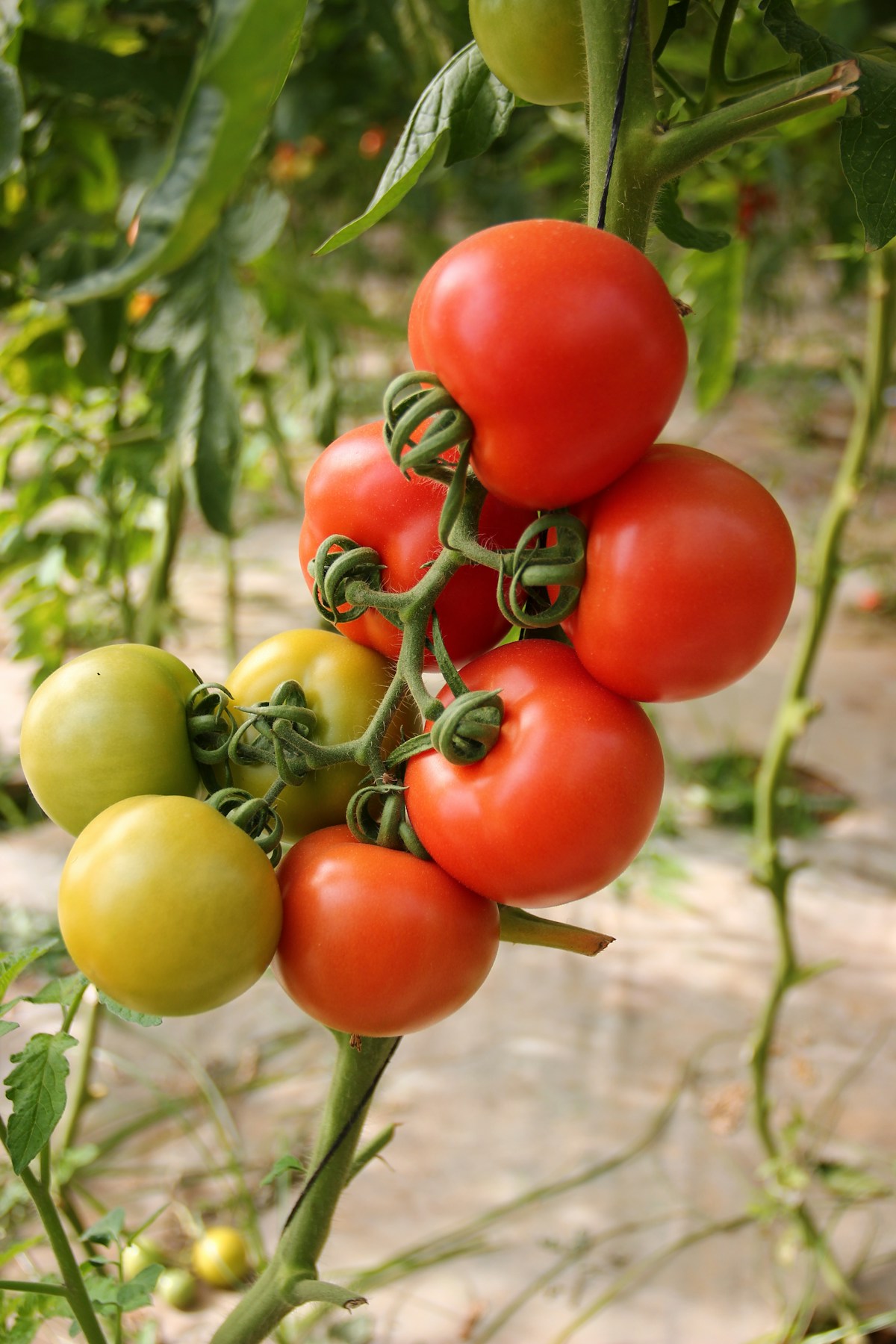
Tomatoes are ready to harvest when they reach full color and yield slightly to gentle pressure. Picking tomatoes slightly underripe and allowing them to finish ripening indoors can protect the crop from pests and cracking. Twisting or gently pulling the fruit while supporting the stem prevents damage to the vine. Harvesting regularly encourages the plant to continue producing new flowers and fruit throughout the season. Tomatoes left too long on the vine can attract pests like birds, squirrels, and insects. Storing ripe tomatoes at room temperature, rather than in the refrigerator, preserves their flavor and texture best.
Green tomatoes harvested before the first frost can be ripened indoors or used in recipes like fried green tomatoes. A single healthy indeterminate plant can produce tomatoes continuously from midsummer until the first frost. Keeping track of harvest dates helps gardeners plan successive plantings for an extended tomato season. The flavor difference between a vine-ripened homegrown tomato and a store-bought one is often the biggest reward of growing your own. Tomatoes are ready to harvest when they reach full color and yield slightly to gentle pressure. Picking tomatoes slightly underripe and allowing them to finish ripening indoors can protect the crop from pests and cracking.
Twisting or gently pulling the fruit while supporting the stem prevents damage to the vine. Harvesting regularly encourages the plant to continue producing new flowers and fruit throughout the season. Tomatoes left too long on the vine can attract pests like birds, squirrels, and insects.
Final Thoughts
Growing tomatoes at home requires attention to detail, from selecting the right variety to managing pests and diseases throughout the season. However, the effort is well worth it when you bite into a sun-warmed tomato picked straight from your own garden. With proper care, consistent watering, and a bit of patience, any home gardener can enjoy a summer filled with delicious, homegrown tomatoes.