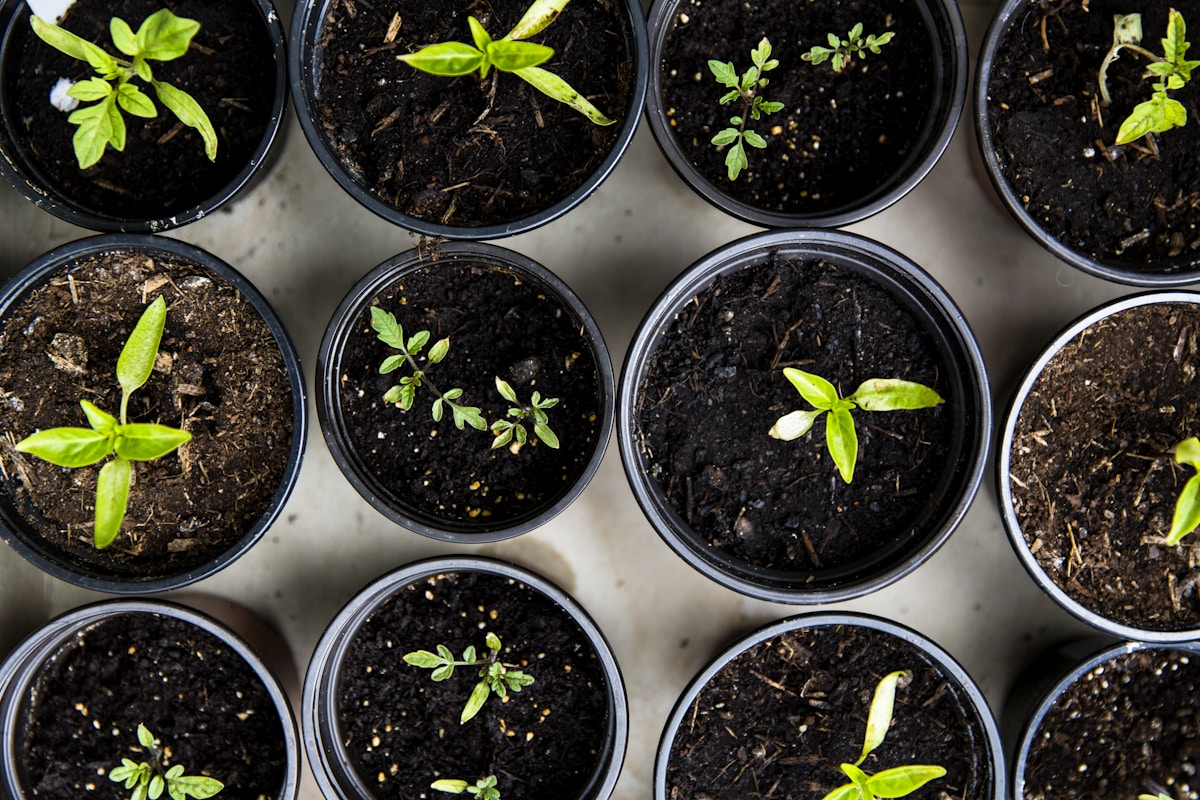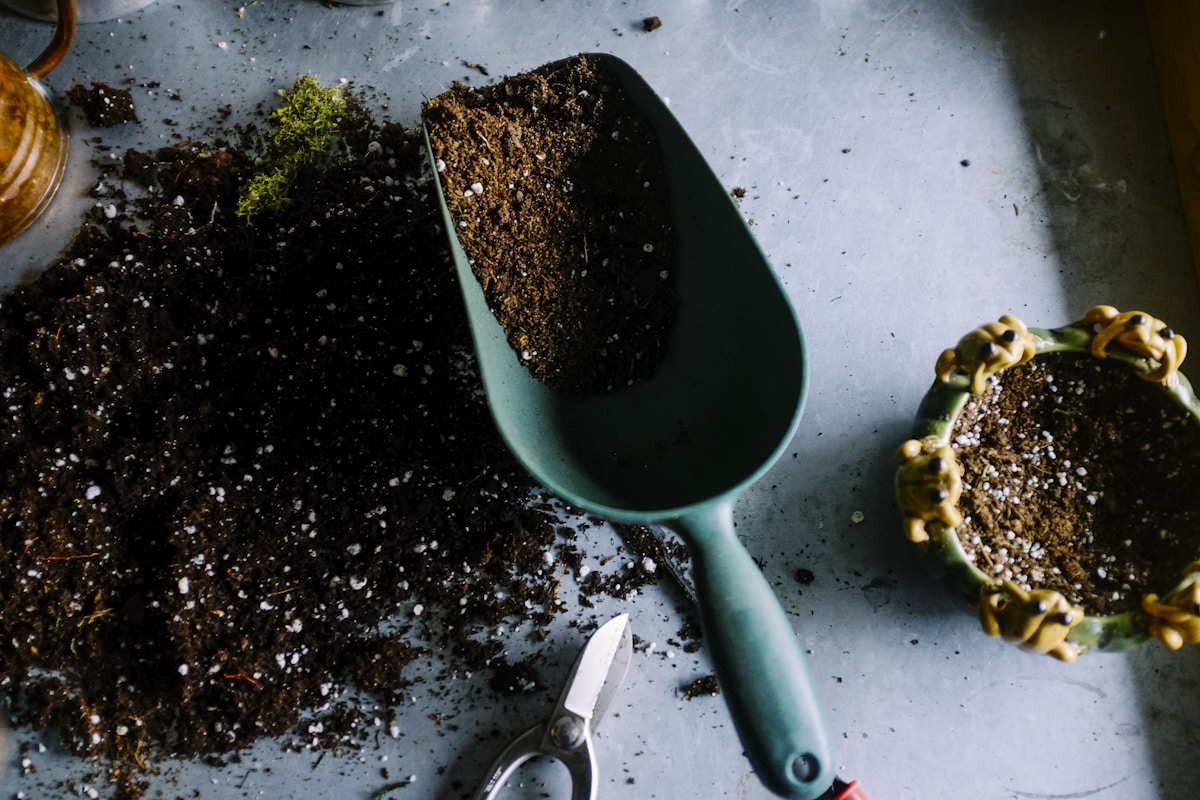
Healthy soil is the single most important factor in a successful garden, yet it is often overlooked by beginners eager to jump straight into planting. Understanding soil composition, pH balance, and proper fertilization techniques can make the difference between a struggling garden and a thriving one. This comprehensive guide covers everything gardeners need to know about preparing and maintaining healthy, fertile soil for vegetables, flowers, and ornamental plants.
Getting Started
Soil Preparation and Fertilization Guide rewards patience, and beginners should expect to learn through a mix of small successes and occasional setbacks. Understanding the basic needs of soil preparation and fertilization makes it far easier to plan a routine that fits your schedule. Many gardeners find that keeping a simple notebook to track progress with soil preparation and fertilization helps identify what works best in their specific climate. Local growing conditions, including rainfall, humidity, and average temperatures, all influence how successful soil preparation and fertilization will be in your area.
Starting small and expanding gradually is a smart approach for anyone new to soil preparation and fertilization, since it limits the risk of becoming overwhelmed. Observing your plants closely every few days allows you to catch early warning signs before problems related to soil preparation and fertilization become serious. Quality matters more than quantity when it comes to soil preparation and fertilization, since well-cared-for plants consistently outperform neglected ones. Consistency is one of the most underrated factors in soil preparation and fertilization, as regular attention prevents small issues from becoming big ones.
Learning from other gardeners in your region, whether through clubs, forums, or neighbors, can accelerate your success with soil preparation and fertilization. Every growing season offers new lessons, and experienced practitioners of soil preparation and fertilization continue refining their techniques year after year.
Choosing the Right Materials and Location
Soil Preparation and Fertilization Guide rewards patience, and beginners should expect to learn through a mix of small successes and occasional setbacks. Understanding the basic needs of soil preparation and fertilization makes it far easier to plan a routine that fits your schedule. Many gardeners find that keeping a simple notebook to track progress with soil preparation and fertilization helps identify what works best in their specific climate. Local growing conditions, including rainfall, humidity, and average temperatures, all influence how successful soil preparation and fertilization will be in your area.
Starting small and expanding gradually is a smart approach for anyone new to soil preparation and fertilization, since it limits the risk of becoming overwhelmed. Observing your plants closely every few days allows you to catch early warning signs before problems related to soil preparation and fertilization become serious. Quality matters more than quantity when it comes to soil preparation and fertilization, since well-cared-for plants consistently outperform neglected ones. Consistency is one of the most underrated factors in soil preparation and fertilization, as regular attention prevents small issues from becoming big ones.
Learning from other gardeners in your region, whether through clubs, forums, or neighbors, can accelerate your success with soil preparation and fertilization. Every growing season offers new lessons, and experienced practitioners of soil preparation and fertilization continue refining their techniques year after year.
Step-by-Step Planting and Setup Instructions
Soil Preparation and Fertilization Guide rewards patience, and beginners should expect to learn through a mix of small successes and occasional setbacks. Understanding the basic needs of soil preparation and fertilization makes it far easier to plan a routine that fits your schedule. Many gardeners find that keeping a simple notebook to track progress with soil preparation and fertilization helps identify what works best in their specific climate. Local growing conditions, including rainfall, humidity, and average temperatures, all influence how successful soil preparation and fertilization will be in your area.
Starting small and expanding gradually is a smart approach for anyone new to soil preparation and fertilization, since it limits the risk of becoming overwhelmed. Observing your plants closely every few days allows you to catch early warning signs before problems related to soil preparation and fertilization become serious. Quality matters more than quantity when it comes to soil preparation and fertilization, since well-cared-for plants consistently outperform neglected ones. Consistency is one of the most underrated factors in soil preparation and fertilization, as regular attention prevents small issues from becoming big ones.
Learning from other gardeners in your region, whether through clubs, forums, or neighbors, can accelerate your success with soil preparation and fertilization. Every growing season offers new lessons, and experienced practitioners of soil preparation and fertilization continue refining their techniques year after year.
Watering, Feeding, and Ongoing Care
Soil Preparation and Fertilization Guide rewards patience, and beginners should expect to learn through a mix of small successes and occasional setbacks. Understanding the basic needs of soil preparation and fertilization makes it far easier to plan a routine that fits your schedule. Many gardeners find that keeping a simple notebook to track progress with soil preparation and fertilization helps identify what works best in their specific climate. Local growing conditions, including rainfall, humidity, and average temperatures, all influence how successful soil preparation and fertilization will be in your area.
Starting small and expanding gradually is a smart approach for anyone new to soil preparation and fertilization, since it limits the risk of becoming overwhelmed. Observing your plants closely every few days allows you to catch early warning signs before problems related to soil preparation and fertilization become serious. Quality matters more than quantity when it comes to soil preparation and fertilization, since well-cared-for plants consistently outperform neglected ones. Consistency is one of the most underrated factors in soil preparation and fertilization, as regular attention prevents small issues from becoming big ones.
Learning from other gardeners in your region, whether through clubs, forums, or neighbors, can accelerate your success with soil preparation and fertilization. Every growing season offers new lessons, and experienced practitioners of soil preparation and fertilization continue refining their techniques year after year.
Common Mistakes and How to Avoid Them
Soil Preparation and Fertilization Guide rewards patience, and beginners should expect to learn through a mix of small successes and occasional setbacks. Understanding the basic needs of soil preparation and fertilization makes it far easier to plan a routine that fits your schedule. Many gardeners find that keeping a simple notebook to track progress with soil preparation and fertilization helps identify what works best in their specific climate. Local growing conditions, including rainfall, humidity, and average temperatures, all influence how successful soil preparation and fertilization will be in your area.
Starting small and expanding gradually is a smart approach for anyone new to soil preparation and fertilization, since it limits the risk of becoming overwhelmed. Observing your plants closely every few days allows you to catch early warning signs before problems related to soil preparation and fertilization become serious. Quality matters more than quantity when it comes to soil preparation and fertilization, since well-cared-for plants consistently outperform neglected ones. Consistency is one of the most underrated factors in soil preparation and fertilization, as regular attention prevents small issues from becoming big ones.
Learning from other gardeners in your region, whether through clubs, forums, or neighbors, can accelerate your success with soil preparation and fertilization. Every growing season offers new lessons, and experienced practitioners of soil preparation and fertilization continue refining their techniques year after year.
Seasonal Considerations
Soil Preparation and Fertilization Guide rewards patience, and beginners should expect to learn through a mix of small successes and occasional setbacks. Understanding the basic needs of soil preparation and fertilization makes it far easier to plan a routine that fits your schedule. Many gardeners find that keeping a simple notebook to track progress with soil preparation and fertilization helps identify what works best in their specific climate. Local growing conditions, including rainfall, humidity, and average temperatures, all influence how successful soil preparation and fertilization will be in your area.
Starting small and expanding gradually is a smart approach for anyone new to soil preparation and fertilization, since it limits the risk of becoming overwhelmed. Observing your plants closely every few days allows you to catch early warning signs before problems related to soil preparation and fertilization become serious. Quality matters more than quantity when it comes to soil preparation and fertilization, since well-cared-for plants consistently outperform neglected ones. Consistency is one of the most underrated factors in soil preparation and fertilization, as regular attention prevents small issues from becoming big ones.
Learning from other gardeners in your region, whether through clubs, forums, or neighbors, can accelerate your success with soil preparation and fertilization. Every growing season offers new lessons, and experienced practitioners of soil preparation and fertilization continue refining their techniques year after year.
Troubleshooting Problems
Soil Preparation and Fertilization Guide rewards patience, and beginners should expect to learn through a mix of small successes and occasional setbacks. Understanding the basic needs of soil preparation and fertilization makes it far easier to plan a routine that fits your schedule. Many gardeners find that keeping a simple notebook to track progress with soil preparation and fertilization helps identify what works best in their specific climate. Local growing conditions, including rainfall, humidity, and average temperatures, all influence how successful soil preparation and fertilization will be in your area.
Starting small and expanding gradually is a smart approach for anyone new to soil preparation and fertilization, since it limits the risk of becoming overwhelmed. Observing your plants closely every few days allows you to catch early warning signs before problems related to soil preparation and fertilization become serious. Quality matters more than quantity when it comes to soil preparation and fertilization, since well-cared-for plants consistently outperform neglected ones. Consistency is one of the most underrated factors in soil preparation and fertilization, as regular attention prevents small issues from becoming big ones.
Learning from other gardeners in your region, whether through clubs, forums, or neighbors, can accelerate your success with soil preparation and fertilization. Every growing season offers new lessons, and experienced practitioners of soil preparation and fertilization continue refining their techniques year after year.
Tools and Supplies That Help
Soil Preparation and Fertilization Guide rewards patience, and beginners should expect to learn through a mix of small successes and occasional setbacks. Understanding the basic needs of soil preparation and fertilization makes it far easier to plan a routine that fits your schedule. Many gardeners find that keeping a simple notebook to track progress with soil preparation and fertilization helps identify what works best in their specific climate. Local growing conditions, including rainfall, humidity, and average temperatures, all influence how successful soil preparation and fertilization will be in your area.
Starting small and expanding gradually is a smart approach for anyone new to soil preparation and fertilization, since it limits the risk of becoming overwhelmed. Observing your plants closely every few days allows you to catch early warning signs before problems related to soil preparation and fertilization become serious. Quality matters more than quantity when it comes to soil preparation and fertilization, since well-cared-for plants consistently outperform neglected ones. Consistency is one of the most underrated factors in soil preparation and fertilization, as regular attention prevents small issues from becoming big ones.
Learning from other gardeners in your region, whether through clubs, forums, or neighbors, can accelerate your success with soil preparation and fertilization. Every growing season offers new lessons, and experienced practitioners of soil preparation and fertilization continue refining their techniques year after year.
Advanced Tips for Better Results
Soil Preparation and Fertilization Guide rewards patience, and beginners should expect to learn through a mix of small successes and occasional setbacks. Understanding the basic needs of soil preparation and fertilization makes it far easier to plan a routine that fits your schedule. Many gardeners find that keeping a simple notebook to track progress with soil preparation and fertilization helps identify what works best in their specific climate. Local growing conditions, including rainfall, humidity, and average temperatures, all influence how successful soil preparation and fertilization will be in your area.
Starting small and expanding gradually is a smart approach for anyone new to soil preparation and fertilization, since it limits the risk of becoming overwhelmed. Observing your plants closely every few days allows you to catch early warning signs before problems related to soil preparation and fertilization become serious. Quality matters more than quantity when it comes to soil preparation and fertilization, since well-cared-for plants consistently outperform neglected ones. Consistency is one of the most underrated factors in soil preparation and fertilization, as regular attention prevents small issues from becoming big ones.
Learning from other gardeners in your region, whether through clubs, forums, or neighbors, can accelerate your success with soil preparation and fertilization. Every growing season offers new lessons, and experienced practitioners of soil preparation and fertilization continue refining their techniques year after year.
Maintaining Long-Term Success
Soil Preparation and Fertilization Guide rewards patience, and beginners should expect to learn through a mix of small successes and occasional setbacks. Understanding the basic needs of soil preparation and fertilization makes it far easier to plan a routine that fits your schedule. Many gardeners find that keeping a simple notebook to track progress with soil preparation and fertilization helps identify what works best in their specific climate. Local growing conditions, including rainfall, humidity, and average temperatures, all influence how successful soil preparation and fertilization will be in your area.
Starting small and expanding gradually is a smart approach for anyone new to soil preparation and fertilization, since it limits the risk of becoming overwhelmed. Observing your plants closely every few days allows you to catch early warning signs before problems related to soil preparation and fertilization become serious. Quality matters more than quantity when it comes to soil preparation and fertilization, since well-cared-for plants consistently outperform neglected ones. Consistency is one of the most underrated factors in soil preparation and fertilization, as regular attention prevents small issues from becoming big ones.
Learning from other gardeners in your region, whether through clubs, forums, or neighbors, can accelerate your success with soil preparation and fertilization. Every growing season offers new lessons, and experienced practitioners of soil preparation and fertilization continue refining their techniques year after year.
Final Thoughts
Soil preparation and fertilization form the invisible foundation beneath every thriving garden, and mastering these basics pays dividends for years to come.