Organic vegetable gardening is one of the most rewarding hobbies a person can take up, offering fresh, chemical-free produce right from your own backyard. Whether you have a large plot of land or just a small patch of soil near your kitchen window, growing your own vegetables organically connects you to nature, improves your diet, and reduces your household’s reliance on store-bought produce that often travels long distances before reaching your plate. This guide walks beginners through everything they need to know to start an organic vegetable garden that thrives season after season.
Why Choose Organic Gardening
Organic gardening avoids synthetic pesticides and fertilizers, relying instead on natural processes to keep plants healthy. This approach protects beneficial insects such as bees, ladybugs, and earthworms that are essential to a thriving ecosystem. Vegetables grown organically often taste better because the plants develop more slowly and absorb nutrients naturally from healthy soil. Home gardeners who go organic also reduce the amount of chemical runoff that can pollute local water sources. Many beginners are surprised to learn that organic methods can be more affordable in the long run, since compost and homemade fertilizers replace costly synthetic products.
Growing organically also builds healthier soil over time, creating a self-sustaining cycle that benefits future plantings. Children and pets can play safely in an organic garden without exposure to harsh chemical residues. Organic vegetable gardening encourages biodiversity, since a wider range of plants, insects, and microorganisms coexist in a chemical-free environment. Many people find that the process of organic gardening is calming and therapeutic, offering a break from screens and daily stress. Over time, an organic garden becomes more resilient to pests and diseases as natural balances are restored. Organic gardening avoids synthetic pesticides and fertilizers, relying instead on natural processes to keep plants healthy.
This approach protects beneficial insects such as bees, ladybugs, and earthworms that are essential to a thriving ecosystem. Vegetables grown organically often taste better because the plants develop more slowly and absorb nutrients naturally from healthy soil. Home gardeners who go organic also reduce the amount of chemical runoff that can pollute local water sources. Many beginners are surprised to learn that organic methods can be more affordable in the long run, since compost and homemade fertilizers replace costly synthetic products.
Choosing the Right Location
Most vegetables need at least six to eight hours of direct sunlight each day to produce a healthy harvest. Observe your yard throughout the day to identify the sunniest spots before deciding where to place your garden beds. Good drainage is essential, since vegetables planted in soggy soil are prone to root rot and fungal diseases. Avoid low-lying areas where water tends to pool after rainfall. Proximity to a water source makes watering easier and more consistent, which is critical during hot summer months. If your yard has poor soil or limited space, raised beds or containers can be placed almost anywhere with good sun exposure.
Consider wind exposure as well, since strong winds can damage delicate seedlings and dry out soil quickly. A location near the kitchen encourages more frequent visits to check on your plants and harvest fresh produce. Test the soil pH of your chosen spot, since most vegetables prefer a slightly acidic to neutral range between 6.0 and 7.0. Rotating garden locations every few years, when possible, helps prevent the buildup of soil-borne pests and diseases. Most vegetables need at least six to eight hours of direct sunlight each day to produce a healthy harvest.
Observe your yard throughout the day to identify the sunniest spots before deciding where to place your garden beds. Good drainage is essential, since vegetables planted in soggy soil are prone to root rot and fungal diseases. Avoid low-lying areas where water tends to pool after rainfall.
Preparing Healthy Soil
Healthy soil is the foundation of a successful organic vegetable garden, and building it takes patience and consistent effort. Start by removing weeds, rocks, and debris from the planting area before adding any amendments. Incorporate generous amounts of compost into the top layer of soil to improve structure and add essential nutrients. Well-rotted manure from herbivores such as cows, horses, or chickens can also enrich the soil when applied correctly. Avoid tilling too deeply or too often, since this can disrupt beneficial soil organisms and microbial networks. Mulching the soil surface with straw, shredded leaves, or grass clippings helps retain moisture and suppress weeds naturally.
A soil test kit can reveal nutrient deficiencies, allowing you to address specific issues with organic amendments like bone meal or kelp meal. Cover crops such as clover or vetch can be planted in the off-season to fix nitrogen and prevent erosion. Earthworms are a great sign of healthy soil, as their tunnels aerate the ground and their castings add nutrients. Building soil organically is an ongoing process, and improvements often become more noticeable after two or three growing seasons. Healthy soil is the foundation of a successful organic vegetable garden, and building it takes patience and consistent effort.
Start by removing weeds, rocks, and debris from the planting area before adding any amendments. Incorporate generous amounts of compost into the top layer of soil to improve structure and add essential nutrients. Well-rotted manure from herbivores such as cows, horses, or chickens can also enrich the soil when applied correctly.
Selecting Beginner-Friendly Vegetables
New gardeners often find the greatest success starting with vegetables that are forgiving and quick to mature. Lettuce, radishes, and spinach grow quickly and can be harvested within a few weeks of planting. Tomatoes and peppers are popular choices, though they require a bit more attention to staking and consistent watering. Beans and peas are excellent beginner crops because they fix their own nitrogen and require minimal fertilization. Zucchini and other summer squash are famously productive, often yielding more than a small household can consume. Herbs like basil, parsley, and cilantro pair well with vegetable beds and attract beneficial pollinators.
Root vegetables such as carrots and beets do well in loose, well-drained soil and store nicely after harvest. Choosing a mix of quick-growing and slower-maturing vegetables keeps the garden productive throughout the season. Reading seed packets carefully helps beginners understand spacing, depth, and days to maturity for each crop. Starting with a smaller variety of vegetables in the first season prevents beginners from becoming overwhelmed. New gardeners often find the greatest success starting with vegetables that are forgiving and quick to mature. Lettuce, radishes, and spinach grow quickly and can be harvested within a few weeks of planting.
Tomatoes and peppers are popular choices, though they require a bit more attention to staking and consistent watering. Beans and peas are excellent beginner crops because they fix their own nitrogen and require minimal fertilization. Zucchini and other summer squash are famously productive, often yielding more than a small household can consume.
Planting Seeds and Seedlings
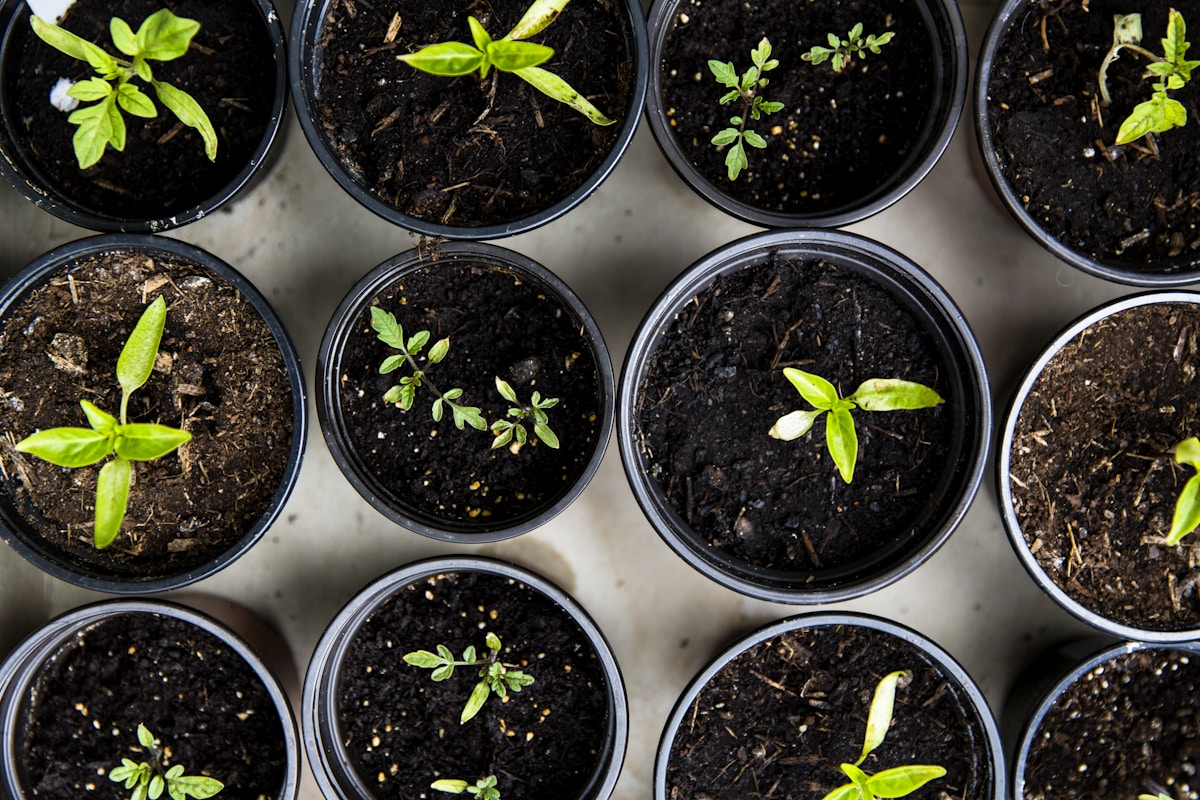
Seeds can be started indoors several weeks before the last frost date to give plants a head start. Using seed trays with a quality organic seed-starting mix improves germination rates significantly. Harden off seedlings gradually by exposing them to outdoor conditions for increasing periods over about a week before transplanting. Direct sowing works well for crops like beans, peas, carrots, and radishes that dislike having their roots disturbed. Follow the spacing guidelines on seed packets to prevent overcrowding, which can lead to disease and reduced yields. Water newly planted seeds gently to avoid displacing them, using a fine mist rather than a heavy stream.
Transplant seedlings on a cloudy day or in the evening to reduce transplant shock from harsh sunlight. Label each row or section of your garden so you can track what has been planted and when. Consistent moisture is critical during germination, so check the soil daily until seedlings are established. Thinning overcrowded seedlings ensures that remaining plants have enough room and nutrients to grow properly. Seeds can be started indoors several weeks before the last frost date to give plants a head start. Using seed trays with a quality organic seed-starting mix improves germination rates significantly.
Harden off seedlings gradually by exposing them to outdoor conditions for increasing periods over about a week before transplanting. Direct sowing works well for crops like beans, peas, carrots, and radishes that dislike having their roots disturbed. Follow the spacing guidelines on seed packets to prevent overcrowding, which can lead to disease and reduced yields.
Watering and Mulching Practices
Vegetables generally need about one to two inches of water per week, either from rainfall or irrigation. Watering deeply and less frequently encourages roots to grow downward, making plants more resilient during dry spells. Morning watering is ideal because it allows foliage to dry before evening, reducing the risk of fungal diseases. Drip irrigation or soaker hoses deliver water directly to the roots while minimizing waste through evaporation. A thick layer of organic mulch helps the soil retain moisture and reduces the frequency of watering needed. Mulch also moderates soil temperature, keeping roots cooler in summer and warmer during cold snaps.
Avoid overhead watering late in the day, since damp foliage overnight can invite mildew and other diseases. Monitor your garden closely during heat waves, as container plants and raised beds dry out faster than in-ground plots. Rain barrels are a simple, eco-friendly way to collect water for your organic garden while reducing utility costs. Consistent watering habits, rather than occasional heavy soaking, tend to produce the healthiest and most productive plants. Vegetables generally need about one to two inches of water per week, either from rainfall or irrigation. Watering deeply and less frequently encourages roots to grow downward, making plants more resilient during dry spells.
Morning watering is ideal because it allows foliage to dry before evening, reducing the risk of fungal diseases. Drip irrigation or soaker hoses deliver water directly to the roots while minimizing waste through evaporation.
Natural Pest and Weed Management
Companion planting is a time-tested organic strategy where certain plants are grown together to repel pests naturally. Marigolds, for example, are often planted alongside vegetables to deter nematodes and other soil pests. Handpicking larger pests like caterpillars and beetles is an effective, chemical-free control method for small gardens. Introducing beneficial insects such as ladybugs and lacewings helps keep aphid populations under control. Neem oil and insecticidal soap are organic-approved treatments that can manage common pest outbreaks when needed. Regular weeding prevents unwanted plants from competing with vegetables for water, nutrients, and sunlight.
A layer of mulch significantly reduces weed germination by blocking sunlight from reaching weed seeds. Crop rotation from year to year disrupts the life cycles of pests and diseases that overwinter in the soil. Row covers made of lightweight fabric can physically block insects from reaching young, vulnerable plants. Healthy, well-fed plants are naturally more resistant to pests, making soil health an important defense strategy. Companion planting is a time-tested organic strategy where certain plants are grown together to repel pests naturally. Marigolds, for example, are often planted alongside vegetables to deter nematodes and other soil pests.
Handpicking larger pests like caterpillars and beetles is an effective, chemical-free control method for small gardens. Introducing beneficial insects such as ladybugs and lacewings helps keep aphid populations under control. Neem oil and insecticidal soap are organic-approved treatments that can manage common pest outbreaks when needed. Regular weeding prevents unwanted plants from competing with vegetables for water, nutrients, and sunlight.
Harvesting and Storing Your Produce
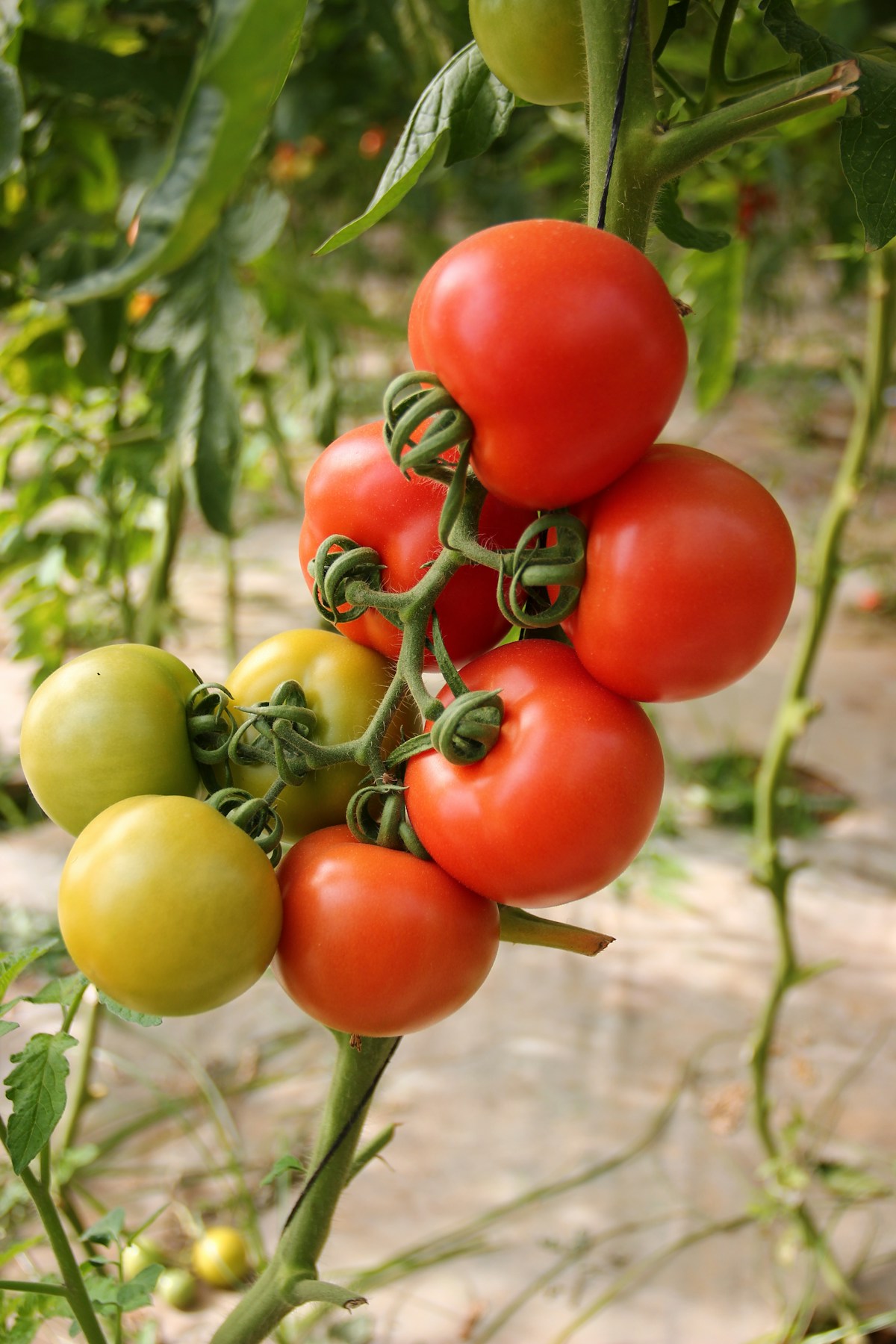
Harvesting vegetables at their peak ripeness ensures the best flavor and nutritional value. Many leafy greens can be harvested repeatedly by picking outer leaves and allowing the center to keep growing. Tomatoes should be picked when fully colored but still firm, then allowed to ripen further indoors if needed. Root vegetables like carrots and beets store well when kept in a cool, dark, and slightly humid environment. Regular harvesting encourages many plants, such as beans and zucchini, to continue producing throughout the season. Washing and drying vegetables promptly after harvest helps prevent spoilage during storage.
Excess produce can be preserved through canning, freezing, or fermenting to enjoy the harvest year-round. Sharing surplus vegetables with neighbors or local food banks is a great way to reduce waste. Keeping a harvest journal helps beginners track which varieties performed best for future planning. The satisfaction of eating a meal made entirely from homegrown vegetables is one of gardening’s greatest rewards. Harvesting vegetables at their peak ripeness ensures the best flavor and nutritional value. Many leafy greens can be harvested repeatedly by picking outer leaves and allowing the center to keep growing.
Tomatoes should be picked when fully colored but still firm, then allowed to ripen further indoors if needed. Root vegetables like carrots and beets store well when kept in a cool, dark, and slightly humid environment. Regular harvesting encourages many plants, such as beans and zucchini, to continue producing throughout the season.
Final Thoughts
Organic vegetable gardening is a journey of continuous learning, and every season brings new lessons about soil, weather, and plant behavior. Beginners should not be discouraged by early setbacks, as even experienced gardeners face pest outbreaks, failed crops, or unpredictable weather. With patience, consistent care, and a commitment to organic methods, anyone can transform a small patch of soil into a thriving, productive vegetable garden that provides fresh, healthy food for the whole family.