Propagating in LECA: Is It Worth Switching?
 Reviewed by
 LECA looks tidy and roots rot-prone cuttings beautifully — but it comes with a nutrient homework assignment the photos never mention. Here's the honest trade-off.
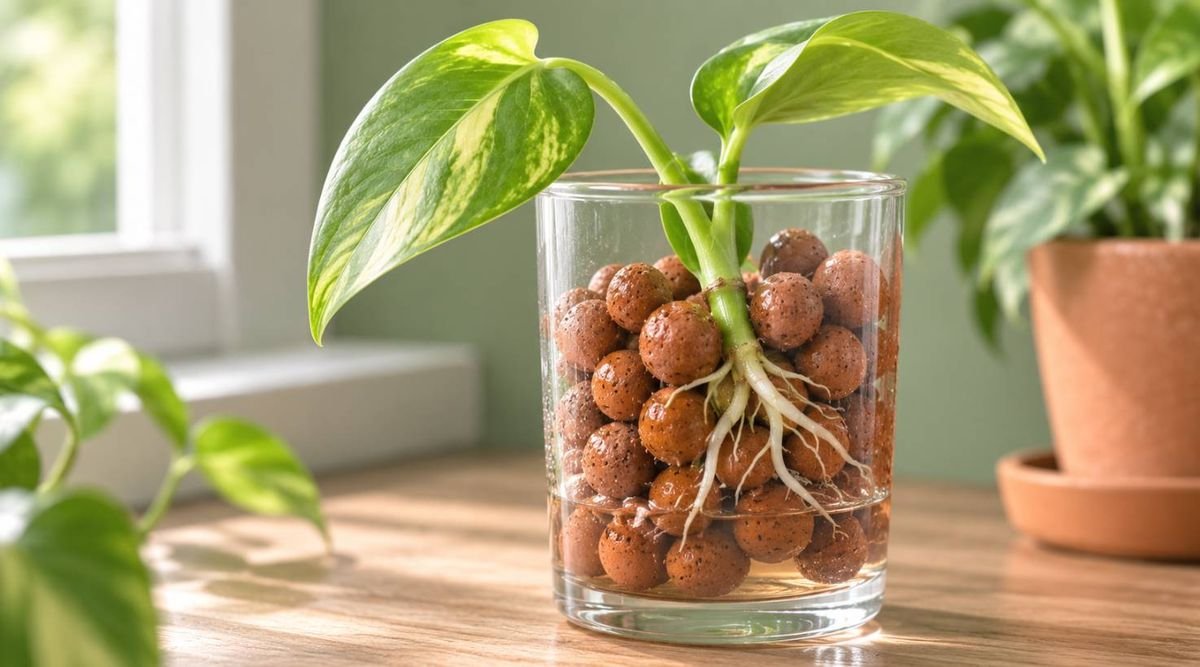
LECA has a cult following online, and the photos are undeniably tidy — clean clay balls, clear jars, no messy soil. But is it actually better for propagating, or just prettier? Here's the honest trade-off before you spend money on a bag.
What LECA actually is
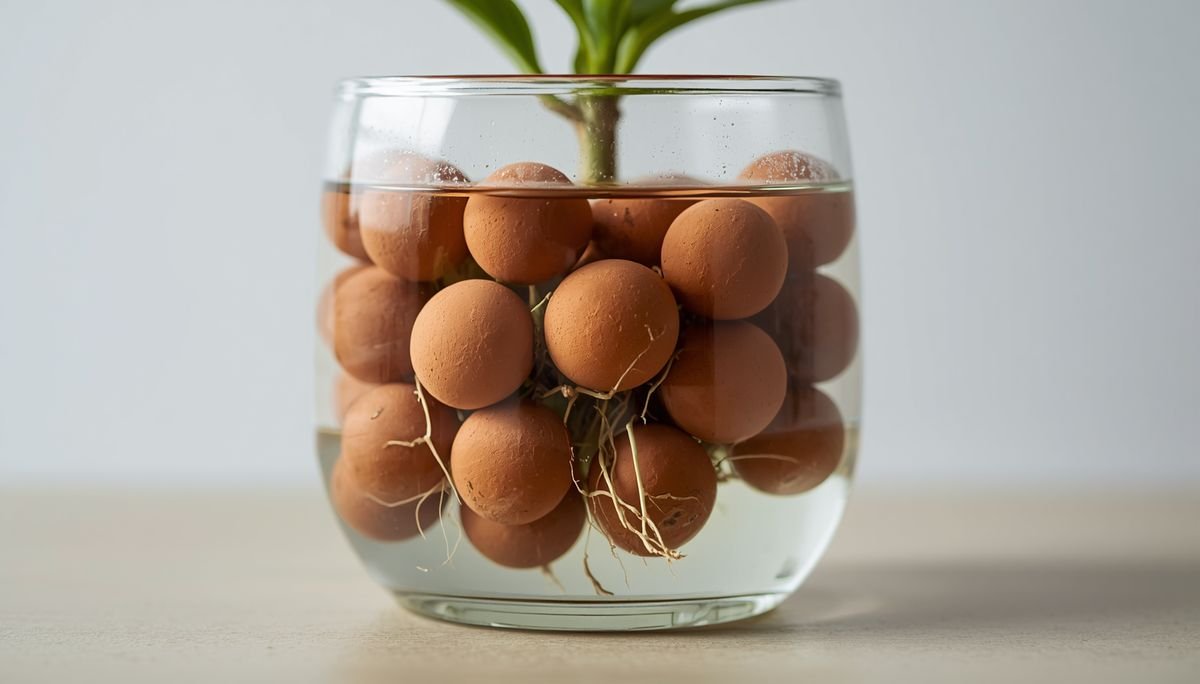
LECA stands for Lightweight Expanded Clay Aggregate — little baked clay balls that puff up like popcorn in the kiln, leaving them full of tiny air pockets. Those pockets are the whole point: the clay wicks water up from a reservoir below while staying airy around the roots. In other words, LECA tries to give a cutting constant moisture and constant oxygen, which is the same balance that makes sphagnum moss work so well.
Why people switch
- Less rot. The airy structure means roots rarely sit in stagnant water, so rot-prone cuttings often do better than in a plain jar.
- No soil mess. It's reusable, rinsable and doesn't attract fungus gnats the way damp soil can.
- You can see everything. In a clear container, roots are on full display, just like water propagation.
- Stable moisture. The reservoir means less frequent topping up than a jar you have to refresh every few days.
The catch nobody mentions
Here's the part the glossy posts skip. Clay balls are inert — they contain no nutrients at all. Plain water propagation is fine short-term because a cutting lives off its own reserves while it roots, but if you want to grow a plant in LECA long-term, you have to add a proper hydroponic nutrient solution and manage the pH so the plant can actually absorb it. That's a real hobby in itself. For simply rooting a cutting and then potting it into soil, you can skip the nutrients — but don't expect LECA to be a magic zero-effort upgrade.
Starting a cutting in LECA
Rinse and soak the clay
Rinse the LECA until the water runs clear, then soak it so the balls are pre-hydrated and ready to wick.
Set up the container
Add a shallow layer of water at the bottom, then fill with damp LECA. The water level should sit below where the cutting's base will rest.
Nestle in the cutting
Settle the cutting so its node sits among moist clay balls, wicking water but not submerged in the reservoir.
Keep the reservoir topped up
Check every few days and refill the reservoir as it drops. Roots appear in a couple of weeks on easy plants.
Decide: LECA or pot up
Once rooted, either keep it in LECA with hydroponic nutrients, or rinse the roots and move it to soil like any other cutting.
LECA vs water
| Factor | LECA | Plain water |
|---|---|---|
| Rot risk | Lower | Higher if neglected |
| Setup cost | Buy clay + container | Free |
| Maintenance | Top up reservoir | Change water often |
| Long-term growing | Needs nutrients + pH | Pot to soil |
| Beginner friendly | Moderate | Very |
Who should bother
LECA is genuinely worth it if you propagate a lot, you're tired of rot in plain water, or you like the idea of a clean, semi-hydroponic setup and don't mind learning the nutrient side. If you just want to root the occasional cutting and pot it up, plain water propagation is simpler, cheaper and works fine — and the broader water vs soil comparison covers where each shines. LECA is a nice tool, not a required upgrade.
Common questions
Is LECA better than water for propagation?
For rot-prone cuttings, often yes, because it keeps roots moist and airy. For easy plants that root readily, plain water is simpler and cheaper. LECA's real advantage shows up if you keep plants in it long-term.
Do I need nutrients to root a cutting in LECA?
No, not just to root it — the cutting lives on its own reserves. You only need hydroponic nutrients and pH management if you plan to grow the plant in LECA permanently.
Can I move a LECA-rooted cutting to soil?
Yes. Rinse the clay off the roots and pot it up like any cutting, keeping the soil lightly moist for the first couple of weeks while it adjusts.
Why is my LECA water cloudy?
Usually leftover clay dust from not rinsing before use, or a rotting cutting. Rinse new LECA until the water runs clear, and check the cutting isn't mushy.